
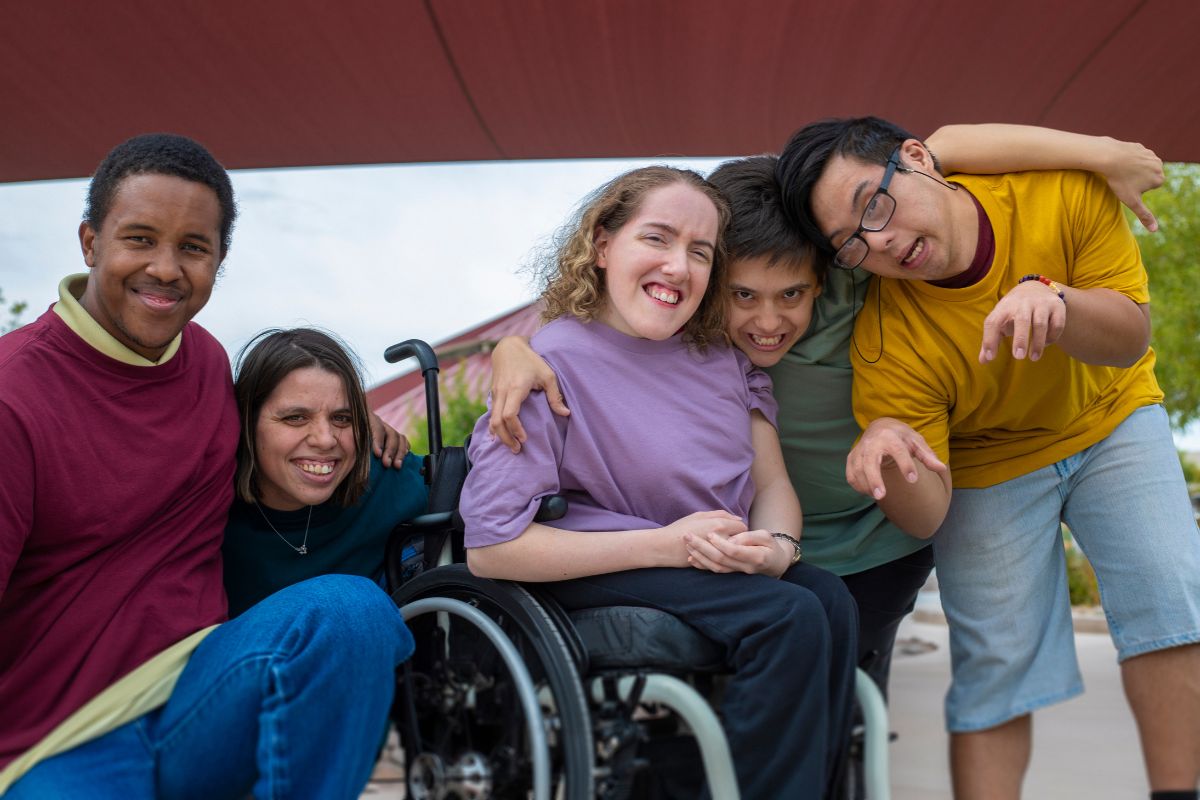
Building an inclusive culture is crucial for organizations to thrive in today’s diverse workforce. One vital aspect of inclusivity is supporting employees with disabilities. Creating an environment that embraces and empowers individuals with disabilities fosters a sense of belonging and enhances productivity and innovation within the organization. This blog will explore the importance of building an inclusive culture and discuss actionable strategies to support employees with disabilities.
Understanding the Importance of Inclusivity In The Workplace
The Benefits of Inclusion
Building an inclusive culture has numerous benefits for both employees and organizations. For example, when employees with disabilities feel valued, they are likely to be engaged, motivated, and productive. Inclusive workplaces also tend to attract and retain diverse talent, fostering a competitive advantage in the market. Additionally, an inclusive culture encourages creativity, innovation, and the exchange of diverse perspectives, leading to better problem-solving and decision-making.
Legal and Ethical Obligations
Beyond the moral imperative, organizations have legal obligations to support employees with disabilities. Legislation worldwide protects individuals with disabilities from discrimination in the workplace. Complying with these regulations avoids legal ramifications and demonstrates a commitment to social responsibility and ethical business practices.
Challenges Faced by Employees with Disabilities
Employees with disabilities often face various challenges in the workplace, such as physical barriers, communication barriers, limited access to resources, and negative stereotypes. These challenges can hinder their professional growth, limit their opportunities, and create a sense of isolation. Therefore, it is essential for organizations to proactively address these challenges and create an inclusive environment where employees with disabilities can thrive.
Promoting Accessibility in the Workplace
Physical Accessibility
Physical accessibility removes barriers preventing individuals with disabilities from fully participating in the workplace. Therefore, organizations should invest in modifications and adjustments to make their facilities more accessible. Examples include installing ramps, elevators, and accessible restrooms, ensuring adequate space for maneuverability, and providing adjustable desks and workstations to accommodate different needs.
Digital Accessibility
Digital accessibility ensures all employees can access and use digital resources, tools, and platforms. This includes designing websites and online content compatible with assistive technologies like screen readers and providing accessible software and applications. In addition, prioritizing digital accessibility ensures that employees with disabilities can effectively perform their tasks and engage in digital communication.
Accommodating Diverse Needs
Individualized Workplace Accommodations
Recognizing that employees have diverse needs, organizations should offer individualized accommodations to help employees with disabilities. This may involve job redesign and task modifications to align responsibilities with an employee’s abilities. Providing assistive devices and technologies, such as screen magnifiers or voice recognition software, can also enhance accessibility and productivity.
Flexible Work Arrangements
Flexible work arrangements can significantly benefit employees with disabilities. Offering options such as telecommuting and remote work enables individuals to work in environments that suit their needs, potentially reducing challenges related to transportation or physical accessibility. In addition, flexible schedules and modified hours allow employees to balance work and personal responsibilities effectively.
Ensuring Education and Sensitization For The Disabled Through:
Disability Awareness Training
Providing disability awareness training to all employees fosters empathy, understanding, and sensitivity. These training sessions should focus on building empathy and perspective-taking, helping employees recognize and challenge unconscious biases, and promoting inclusive behaviors and communication. By raising awareness, organizations can create a more supportive and inclusive environment.
Creating a Supportive Environment
Establishing a supportive environment entails open communication channels where employees feel comfortable discussing their needs and challenges related to disabilities. Encouraging disclosure and self-identification is crucial for creating a culture of trust and support. Organizations should assure employees that disclosing disabilities will not result in negative consequences and that necessary accommodations will be provided. This can be achieved through confidential channels, such as HR or dedicated employee resource groups (ERGs) for individuals with disabilities.
Cultivating an Inclusive Organizational Culture
Leadership Commitment and Accountability
Building an inclusive culture starts with leadership commitment and accountability. Leaders should set clear goals and metrics for inclusion, ensuring that disability inclusion is a part of the organization’s overall diversity and inclusion strategy. Holding managers and supervisors accountable for fostering an inclusive environment sends a strong message and ensures that inclusion efforts are consistently implemented across all levels of the organization.
Employee Resource Groups (ERGs)
Establishing ERGs specifically for employees with disabilities can provide a platform for networking, support, and advocacy. ERGs allow individuals to connect with others with similar experiences and challenges, fostering a sense of belonging and community. These groups can also serve as a resource for the organization, providing valuable insights and recommendations on disability-related issues.
Collaboration with External Partners
Collaborating with Disability Organizations
Collaborating with disability organizations and advocacy groups can provide organizations with valuable expertise, resources, and guidance. In addition, these partnerships can help organizations navigate legal requirements, identify best practices, and ensure that their policies and procedures align with the needs of employees with disabilities. Finally, engaging with disability organizations demonstrates a commitment to the broader disability community and can help build positive community relationships.
Mentorship Programs
Implementing mentorship programs can be instrumental in supporting employees with disabilities. Matching mentors who have experience navigating similar challenges with mentees can provide guidance, support, and opportunities for professional development. In addition, mentorship programs create a learning, growth, and inclusion culture, enabling employees with disabilities to reach their full potential.
Celebrating Diversity and Achievements
Recognition and Inclusive Awards
Recognizing the contributions and achievements of employees with disabilities is crucial for building an inclusive culture. Implementing programs such as Employee of the Month/Year, inclusive leadership awards, or other forms of recognition highlights the value and impact of individuals with disabilities in the organization. In addition, by celebrating diversity and achievements, organizations reinforce that everyone’s contributions are valued and appreciated.
Employee Engagement Activities
Engaging employees in activities that promote disability pride and inclusion promotes a sense of belonging and community. For example, hosting disability pride events, inclusive sports activities, and team-building exercises accommodating diverse abilities allows employees to connect, build relationships, and celebrate their unique talents. In addition, these activities create a positive and inclusive work environment where employees with disabilities can thrive.
Conclusion:
Building an inclusive culture that supports employees with disabilities is an ongoing journey that requires commitment, collaboration, and continuous improvement. By promoting accessibility, providing accommodations, fostering education and awareness, cultivating an inclusive culture, and celebrating diversity and achievements, organizations can create an environment where all employees, including those with disabilities, can contribute their best work and thrive personally and professionally. Embracing disability inclusion not only benefits individuals with disabilities but also strengthens organizations by leveraging the perspectives and talents of a diverse workforce.


